
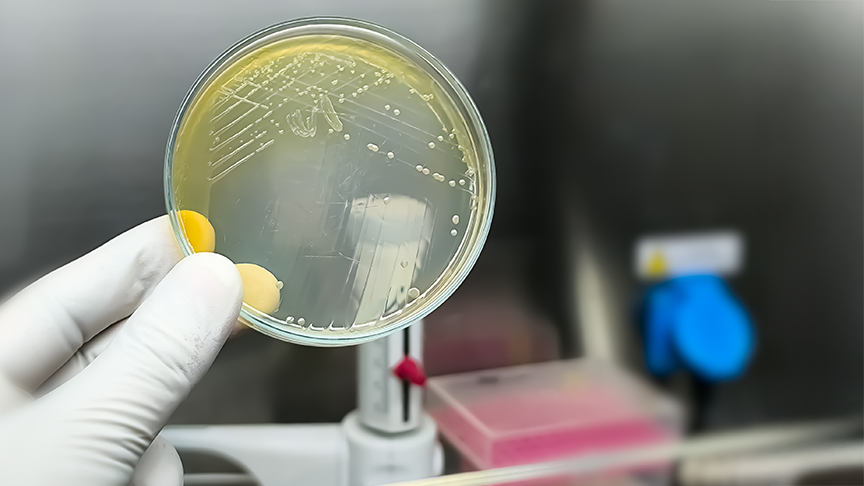
Lessons learned from the largest outbreak of melioidosis in Cairns’ history were among several health topics presented at the Cairns and Hinterland Hospital and Health Service’s recent Research and Innovation Symposium.
Melioidosis, a potentially fatal disease caused by the soil and waterborne bacterium Burkholderia pseudomallei, had reached unprecedented levels in the Cairns and Hinterland region during the previous wet season, resulting in 15 deaths locally.
Public Health Registrar Dr Matthew O’Bryan, who was part of a team that investigated the outbreak, confirmed that the total of 120 melioidosis cases recorded between December 2024 and April 2025 was the highest number ever recorded in a Cairns wet season.
Dr O’Bryan noted that there was a strong link between weekly rainfall and the number of people who had fallen ill with melioidosis.
‘That wet season, we saw more cases of melioidosis in Cairns than ever before,’ he said.
‘The numbers highlighted just how closely this disease was linked to our climate and environment.’
He noted that the outbreak had a greater impact on Aboriginal and Torres Strait Islander people compared to previous years.
‘Melioidosis is a severe infection that can cause pneumonia and bloodstream infection, and we saw a much higher proportion of these complications in patients that season,’ he said.
‘By understanding the risk factors – such as diabetes, lung disease, and hazardous alcohol use – and the influence of rainfall, we were able to better target prevention and awareness efforts in our community.
This research showed the critical role local data and collaboration played in protecting the health of people across Far North Queensland.’
Other notable research topics presented at the symposium – now in its 13th year - included an examination of e-scooter safety, improving water quality in Indigenous communities, rare allergies, and virtual reality use in paediatric care.
CHHHS Research Director Dr Edward Strivens said the symposium had been an opportunity to showcase the breadth and quality of research conducted in Far North Queensland.
‘Research was critical to improving the way we delivered healthcare – it helped us understand the unique challenges our region faced and find solutions that worked for our communities,’ he said.
‘From emerging infections to chronic disease, the projects presented at the symposium demonstrated how local research translated into better care and outcomes for patients.
By investing in and supporting research, we strengthened our health service’s ability to respond to the needs of people across Cairns and the wider Far North.’
For more details about the symposium, visit Research and Innovation Symposium.