
Cairns has a lot in common with its tropical neighbour Darwin: an easy-going lifestyle, wide expanses of remoteness, crocodiles.
But a major disease difference between the two northern Australian cities has a team of researchers from Cairns Hospital searching for answers.
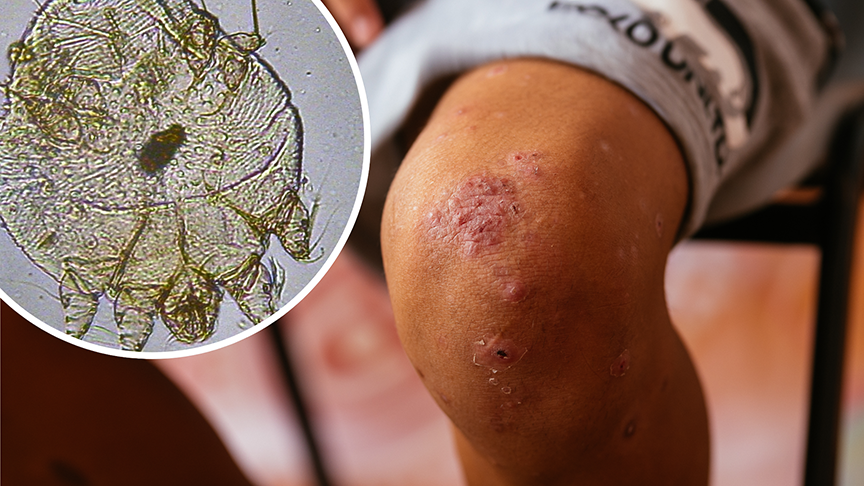
Scabies, a parasitic skin infection caused by a mite, has been found to be far more common in the Northern Territory than Far North Queensland.
The infection is known to cause intense itching that can severely impact a person’s quality of life, affecting school and work attendance, as well as sleep.
Principal investigator, Cairns Hospital staff specialist Dr Mert Korkusuz, said clinicians were not seeing crusted scabies - a particularly severe and infectious form associated with worse outcomes - on quite as many patients in Cairns compared to Darwin.
‘We frequently saw patients with crusted scabies admitted weekly in Darwin,’ Dr Korkusuz said.
‘But in Cairns, despite serving a region with many critically ill patients, we see far fewer cases.’
This discrepancy prompted the team to explore whether the lower prevalence of crusted scabies might influence the relationship between scabies and serious conditions like rheumatic heart disease (RHD) and kidney disease.
RHD and kidney diseases are significant chronic conditions in Far North Queensland, particularly affecting Aboriginal and Torres Strait Islander communities.
Cramped living conditions and limited access to safe water, sanitation and healthy food contribute to the problems.
Dr Korkusuz said there were several theories about the differences in scabies between the two locations, including genetic predisposition, environmental and socio-economic factors.
‘Overcrowding is a consistent risk factor for scabies worldwide, particularly in tropical regions,’ he said.
‘The Northern Territory may face more severe challenges with overcrowding and limited healthcare access compared to communities in Far North Queensland, though more data is needed to confirm this.’
The study also highlighted differences in diagnostic and treatment approaches.
In the Northern Territory, crusted scabies is a notifiable disease, which may lead to more rigorous testing and reporting compared to Queensland, where it is not.
Additionally, the priorities of emergency departments, where the Cairns study focused, may differ from those in primary care settings, potentially affecting diagnosis rates.
The research team plans to expand their investigation to include data from other hospitals and medical centres from across the region to better understand testing patterns and scabies prevalence.
The findings could influence future healthcare policies.
For more information about scabies, head to the Queensland Government Health Conditions Directory.
The Far North Queensland Hospital Foundation provided a grant for this research.